


Exhibition
Current Exhibition
Ceramicist Kawai Kanjirō:
The Sources of His Creativity in Traditional Ceramics
- September 5 (Sat.) – November 8 (Sun.), 2026
10:00 – 17:00
*Last admission is 30 minutes before closing.
- Until 20:00 on September 23 (Wed., National Holiday) and October 28 (Wed.)
- Until 19:00 on November 6 (Fri.) and November 7 (Sat.)
- Mondays (Open on September 21 and October 12)
- September 24 (Thu.) and October 13 (Tue.)
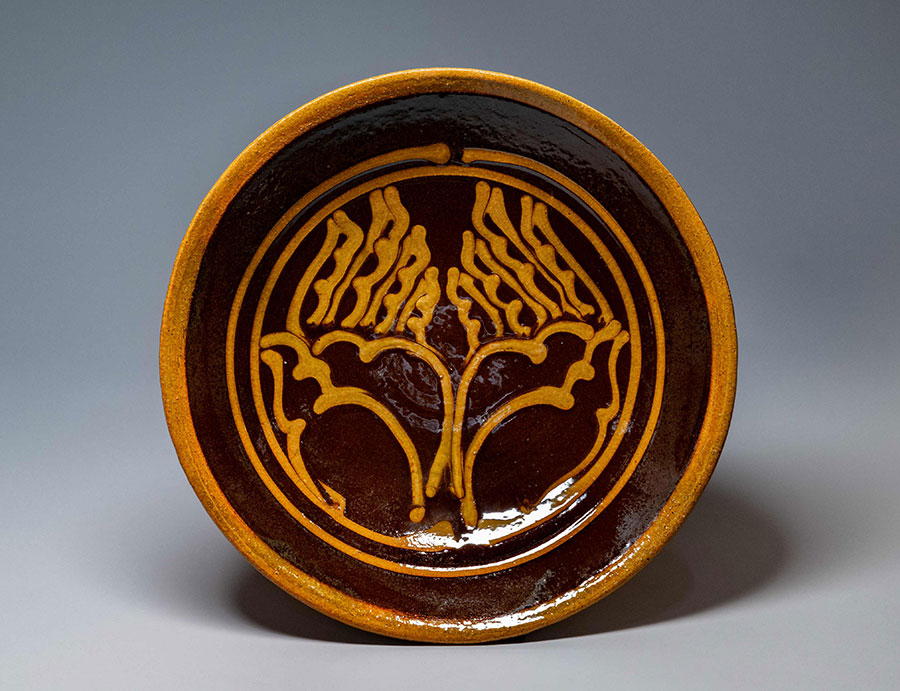

By Kawai Kanjirō, Slip Decorated Bowl with Both Hands Design,
Shōwa era, 1931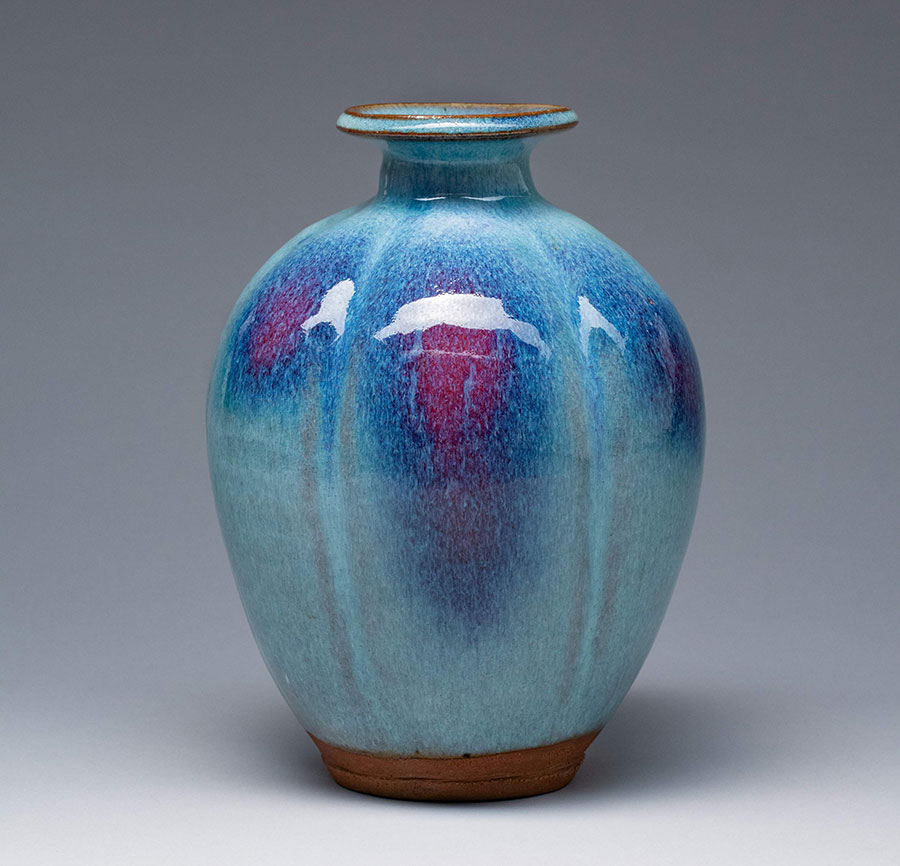
By Kawai Kanjirō, Melon-shaped Jar with Purplish Opaque Glaze,
Shōwa era, c.1929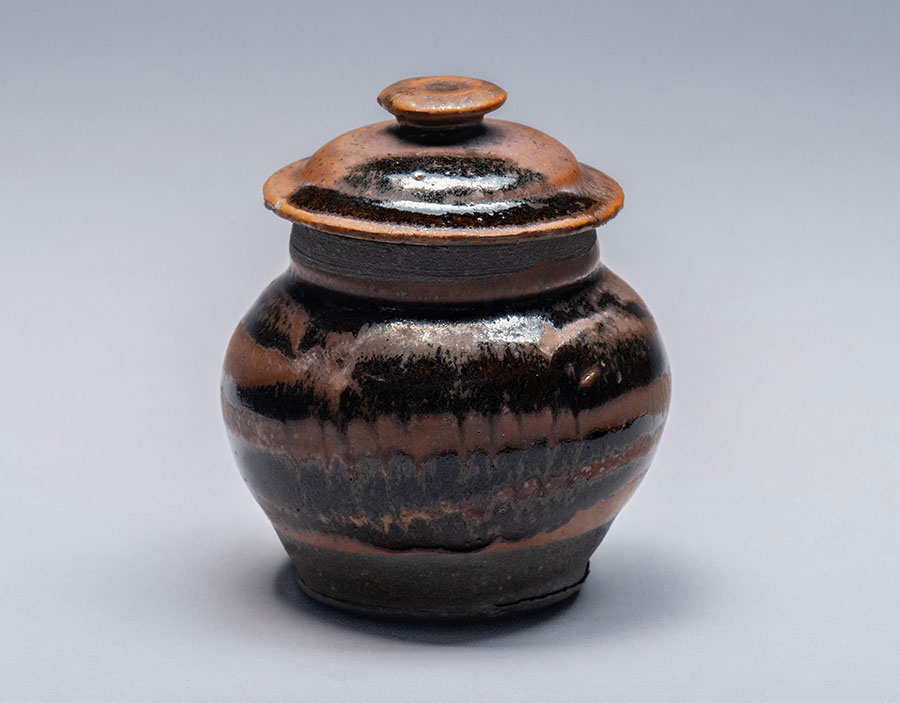
By Kawai Kanjirō, Iron Glazed Small Lidded Jar, Yōhen Type,
Shōwa era, c.1927-2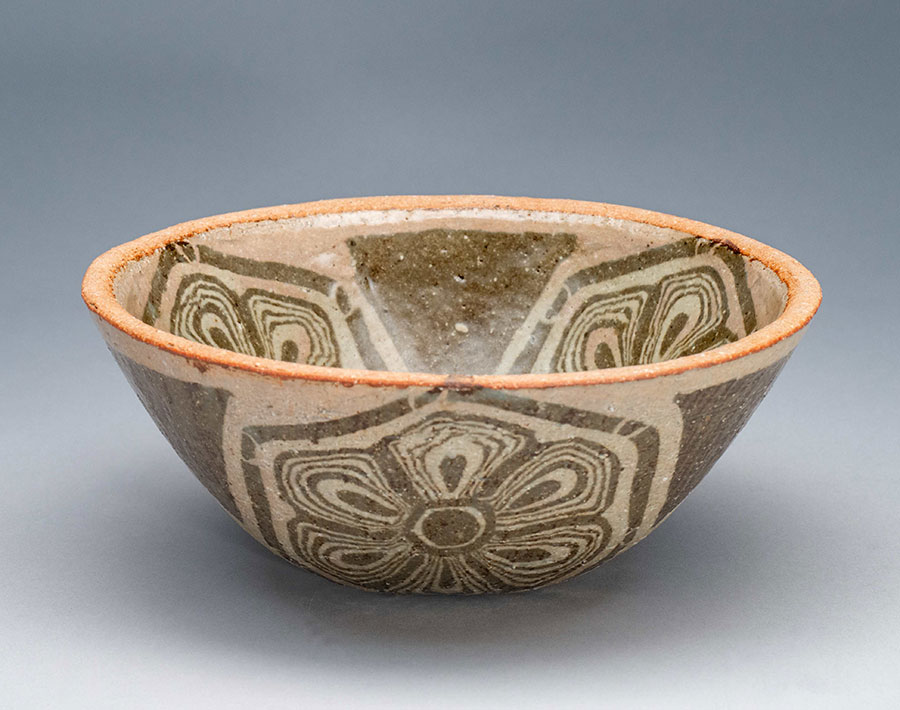
By Kawai Kanjirō, Marbled Clay Bowl,
Shōwa era, 1935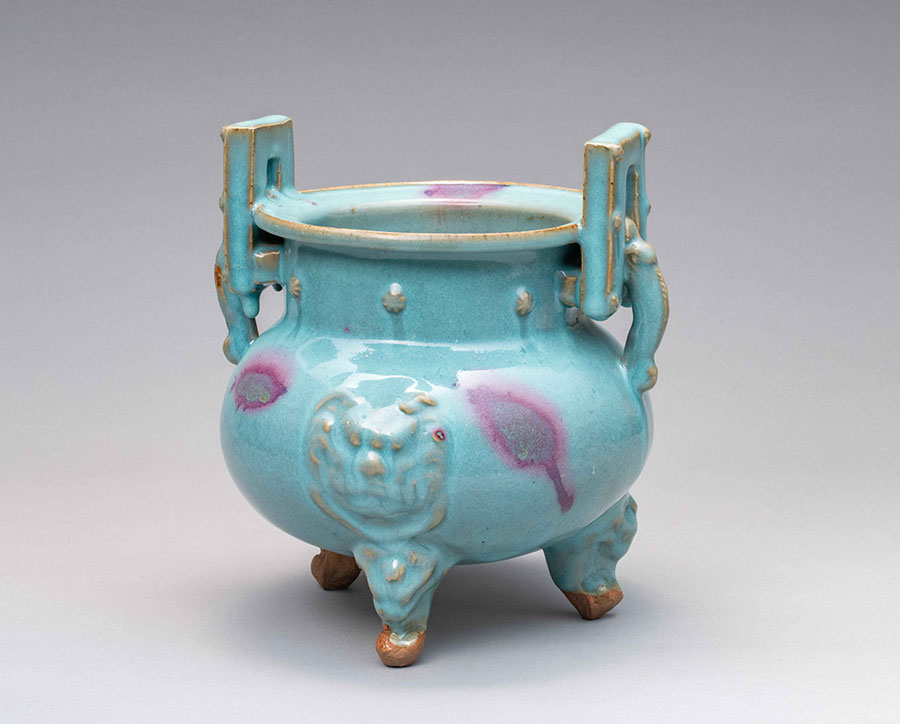
Incense Burner with Bluish Opaque Glaze Flecked with Purplish Splashes,
Yuan dynasty, 13-14th century, China
Kawai Kanjirō (1890–1966) was one of the outstanding Japanese ceramicists of the first half of the twentieth century (Taishō and early Shōwa eras). Following his encounter with Mingei (folk art) in the 1920s, he began to produce ceramics marked by a strong awareness of the idea of functional beauty. This exhibition brings together 51 pieces by Kanjirō from the Seikado collection and explores the sources of the artist’s creativity.
*Yōhen-tenmoku will be on display during this exhibition
Next Exhibition
The Fascination of Masks:
Collecting, Recreating and Performing
- November 21 (Sat.), 2026 – January 17 (Sun.), 2027
[First Period] November 21 (Sat.) – December 20 (Sun.), 2026
[Second Period] December 22 (Tue.), 2026 – January 17 (Sun.), 2027
10:00 – 17:00
*Last admission is 30 minutes before closing.
- Until 20:00 on November 25 (Wed.) and December 23 (Wed.)
- Until 19:00 on January 15 (Fri.) and January 16 (Sat.), 2027
- Mondays (Open on November 23, 2026 and January 11, 2027)
- November 24 (Tue.), 2026; December 28 (Mon.), 2026 – January 1 (Fri.), 2027; and January 12 (Tue.), 2027

Wooden Demon Face,
Dates unknown
Bishamonten mask, by Kanō Tessai,
Late Meiji era, Late 19th century – Early 20th century
Okina mask, by Fukurai,
Muromachi period, 16th century
Hannya mask, by Genkyū,
Edo period, 18th century
Akahada Ware Incense Container in the Shape of an Okina Mask with Its Box,
Edo period, 18th-19th century
Masks capture the various expressions of the human face and conjure up the features of demons and other imaginary beings. Why are some people so fascinated by masks? Focusing on masterpieces of the art, including a replica of a Gigaku dance mask by Kanō Tessai, a Wooden Demon Face that previously belonged to the collection of Matsuura Takeshirō, and noh masks from the daimyō collection of the Shibata domain, this exhibition explores the fascinating power that draws some people to collect and recreate ancient masks from the early modern period to the modern era.
Exhibition Schedule 2026-27
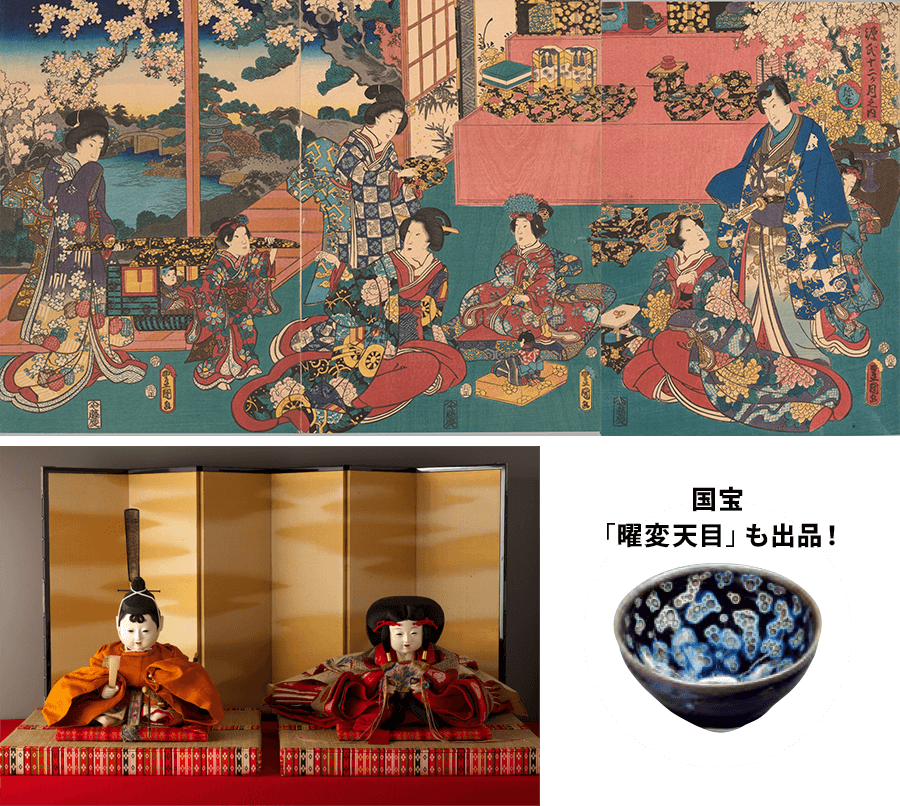
Hina dolls, crown prince and princess as boy and girl, Produced by the studio of Ōki Heizō V, Early Shōwa era, Early 20th century
National Treasure, Tea bowl, Yōhen-tenmoku, known as “Inaba Tenmoku”
Hina Dolls and Ukiyo-e Prints of the Tale of Genji:
Objects Beloved by the Iwasaki Wives
- January 30 (Sat.) – March 28 (Sun.), 2027
To coincide with the hina-matsuri (doll festival) that greets the arrival of spring, this exhibition marks the first ever public showing of the colorful album of nishiki-e prints depicting scenes from the Tale of Genji , which were cherished by Sanae, the wife of Iwasaki Yanosuke. These will be shown alongside the hina dolls that were specially commissioned by Iwasaki Koyata and beloved by his wife, Takako. We hope visitors will enjoy these two masterpieces, still imbued with the affection they inspired in these two women more than a century ago.
