


Exhibition
Past Exhibition 2026-27
Step Inside Moronobu’s Genre Scenes of the Twelve Months:
Masterpieces of Early Ukiyo-e
- June 27 (Sat.) – August 23 (Sun.), 2026
Exhibition period divided into two phases, with some changes to the items on display.
Part 1: June 27 (Sat.) – July 26 (Sun.)
Part 2: July 28 (Tue.) – August 23 (Sun.)
10:00 – 17:00
*Last admission is 30 minutes before closing.
- Until 20:00 on July 3 (Fri.), July 10 (Fri.), and July 22 (Wed.)
- Until 19:00 on August 21 (Fri.) and August 22 (Sat.)
- Mondays (Open on July 20)
- July 21 (Tue.)
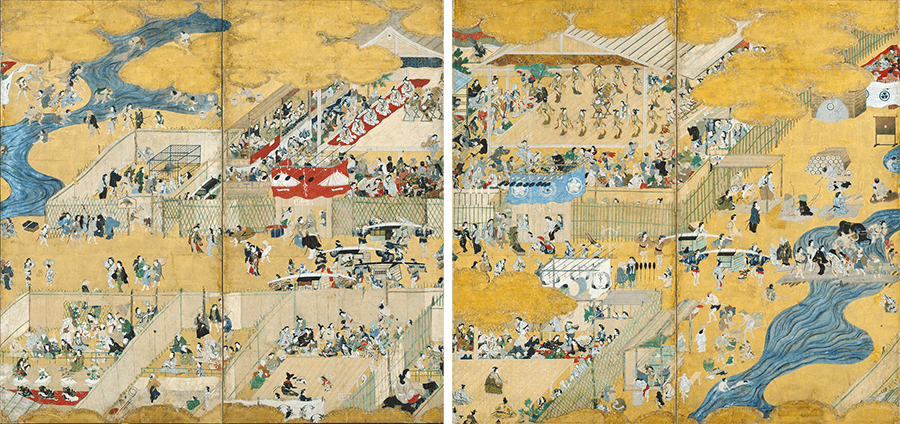

Important cultural property, Scene along the Riverside at Shijō, Kyoto,
Edo period, 17th century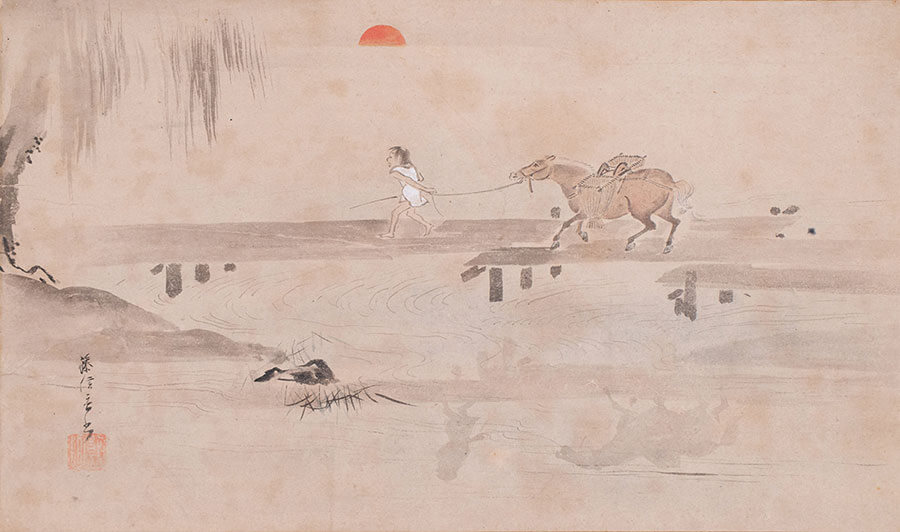
By Hanabusa Itchō, Leading a Horse under the Morning Sun,
Edo period, ca.1688-98 (Genroku 1-11)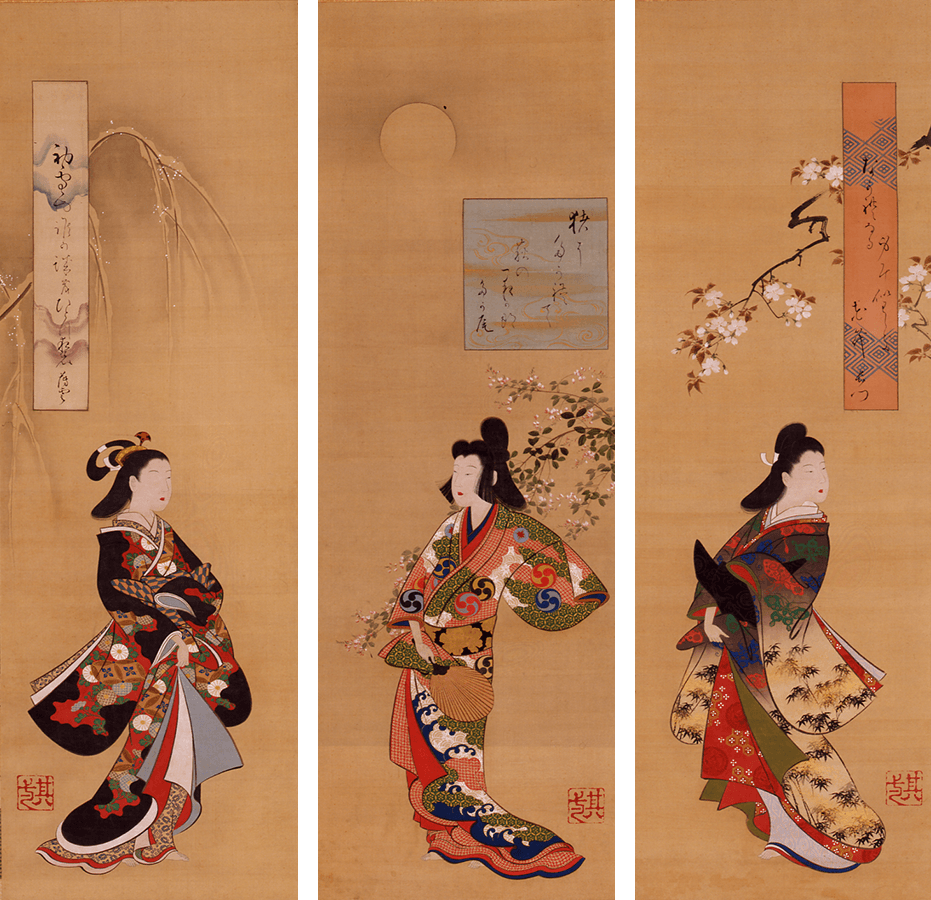
By Suzuki Kiitsu, Three Women Representing Snow, Moon and Flowers,
19th century, Edo period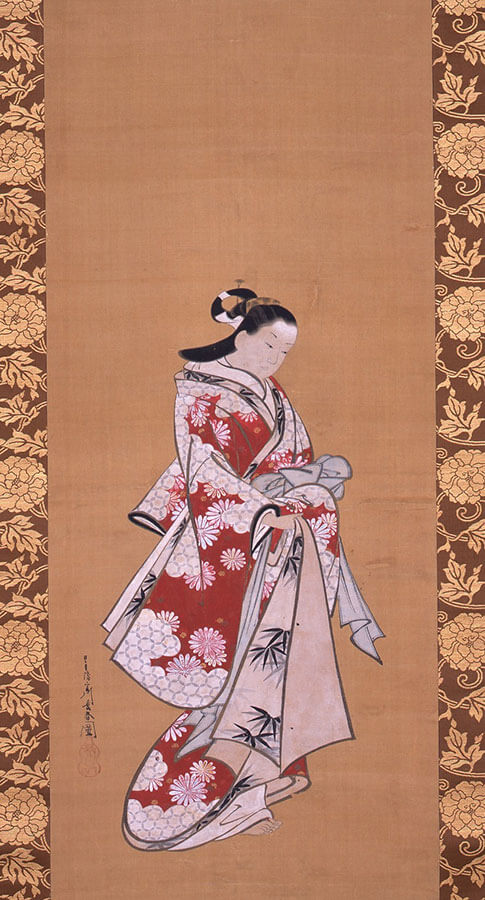
By Miyagawa Chōshun, Beauty,
18th century, Edo period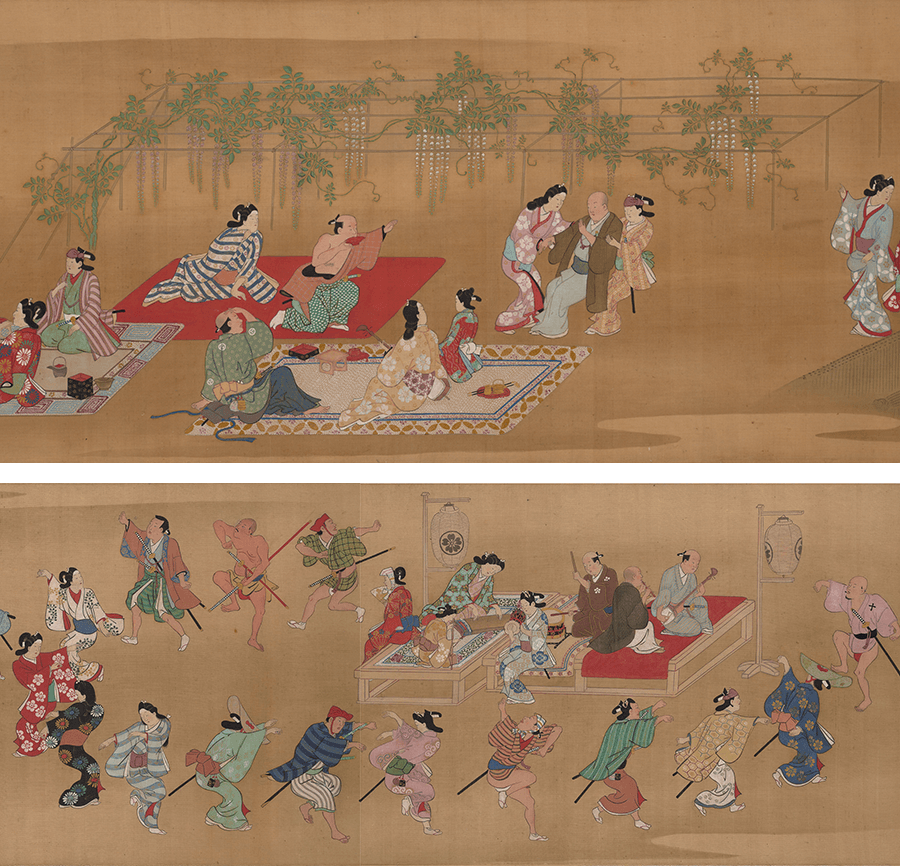
By Hishikawa Moronobu, Genre Scenes of the Twelve Months,
Edo period, Genroku era (1688–1704)
Hishikawa Moronobu (?–1694) was a pioneer of the ukiyo-e genre of woodblock prints and paintings, particularly known for his work Beauty Looking Back. Genre Scenes of the Twelve Months, in the Seikado collection, is a brilliant pictorial scroll executed on a vast scale, using Moronobu’s unique pictorial gifts to vividly illustrate the lives of ordinary people throughout the year. In addition to screens and scrolls by Moronobu himself, the exhibition traces his artistic genealogy, looking at his influence on Hanabusa Itchō and artists of the Miyagawa school.
*Yōhen Tenmoku is not on display during this exhibition
Where Beauty is Served:
Kaiseki vessels and Spirit of Tea Ceremony
- April 7 (Tue.) – June 14 (Sun.), 2026
Exhibition period divided into two phases, with some changes to the items on display.
Part 1: April 7 (Tue.) – May 6 (Wed.)
Part 2: May 8 (Fri.) – June 14 (Sun.)
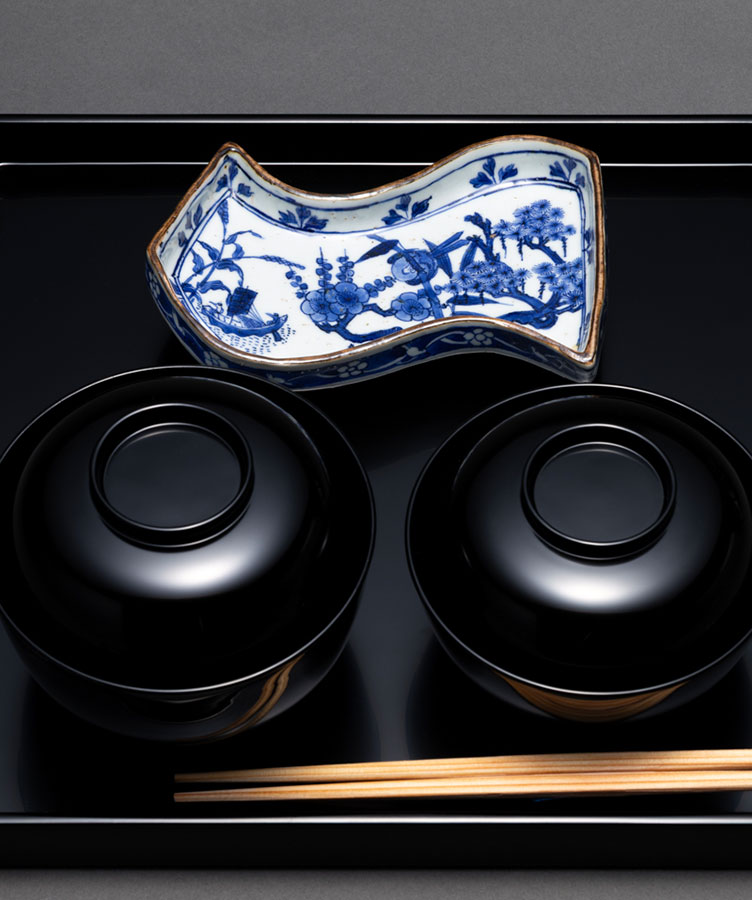
Kimono-sleeve-shaped mukōzuke-dish with pine,bamboo and plum design, Jingdezhen ware, Shonzui type,
Ming dynasty, Early 17th century, China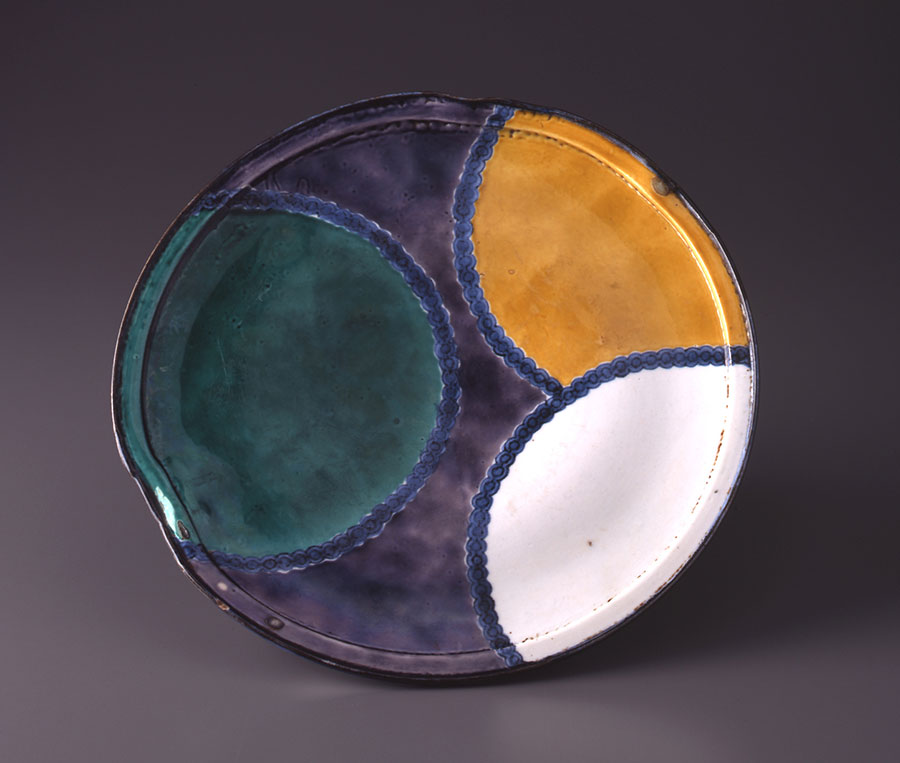
Dish with high-foot with circle design Arita (Imari) ware,
Edo period, 17th century, Japan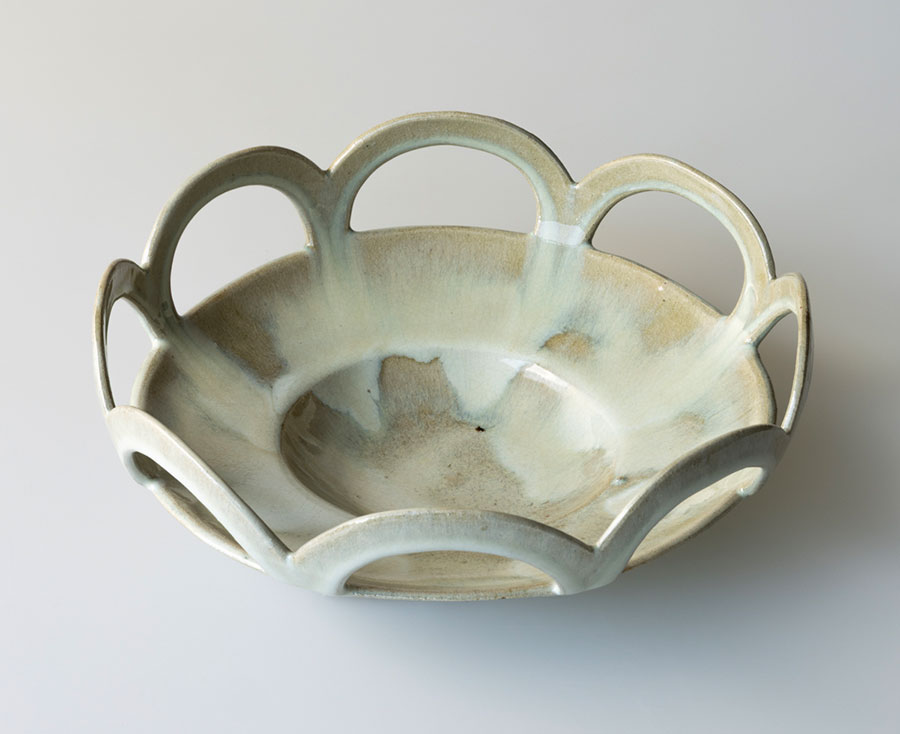
Lobed dish with openwork design By Nonomura Ninsei,
Edo period, 17th century, Japan
Mukōzuke bowl,
16th~19th century
Tea caddy, Nasu (eggplant) type, known as “Tsukumo-nasu”,
Southern Song to Yuan dynasty, 13th-14th century, China
Tea caddy, Nasu (eggplant) type, known as “Matsumoto-nasu”,
Southern Song to Yuan dynasty, 13th-14th century, China
“Kaiseki” originally referred to the cuisine served to guests at a formal tea gathering (chaji), before the serving of matcha thick tea. This exhibition brings together a selection of kaiseki utensils from the Seikado collection, including lacquerware, mukōzuke dishes, and bowls. Together with fine tea ceremony utensils, we hope you will enjoy the subtle beauty and refined designs of these utensils, which play an essential part in creating the elegant atmosphere of a formal tea gathering.
